Every gathering place has a story.

For almost two centuries, Rip Raps has welcomed families, celebrations, conversations, and moments of quiet reflection. Long before it became a destination for weddings, retreats, and special events, it stood at the center of a rural South Carolina community shaped by faith, agriculture, resilience, and change.
Our StoryThe beauty that visitors experience today—the sweeping landscape, historic home, and sense of peace that settles across the property—is the result of generations of stewardship and the lives of countless people whose stories are woven into this place.
The land on which Rip Raps stands traces its origins to one of the earliest grants in the region, dating to the mid-eighteenth century. By the early 1800s, the property had become the home of Samuel McBride, a successful farmer and planter whose holdings eventually grew to nearly 10,000 acres. Known at the time as Egypt Farm, the plantation became a center of agricultural production, supported by extensive mills, dams, and irrigation works constructed to cultivate rice, corn, and cotton. Many of these features remain visible on the landscape today, linking the present to generations of labor and stewardship.
Like many prosperous Southern plantations of the era, Rip Raps was built and sustained through the labor of enslaved African Americans. Their work shaped the fields, roads, waterways, and daily life of the plantation, and their contributions remain an essential part of the history of this place. The story of Rip Raps cannot be told honestly without acknowledging the men, women, and children whose labor made life here possible and whose descendants helped shape the community that endures today.
The story of Rip Raps extends beyond the plantation itself. For generations, the surrounding community was bound together by faith, family, education, and shared traditions. Nearby Salem Black River Presbyterian Church—known throughout the region as Brick Church—served as a spiritual and cultural center for generations of local families. Following emancipation, formerly enslaved members established Goodwill Presbyterian Church, which became a cornerstone of worship, education, leadership, and opportunity for the Black community. Together, these institutions helped define the character of the crossroads community surrounding Rip Raps and remain enduring symbols of resilience, faith, and fellowship.
In 1858, Samuel McBride's son, James McBride, completed construction of the Greek Revival home that stands today. With its broad porches, twin facades, and grand central halls, the house reflected both the prosperity and aspirations of the family. Yet its completion came on the eve of the Civil War, a conflict that would forever change the South and the community that surrounded Rip Raps. Through war, Reconstruction, economic hardship, and social change, the house remained in family hands, preserved by successive generations who recognized its significance as both a home and a place of memory.
By the time a young James McBride Dabbs inherited Rip Raps in 1915, the house already carried more than a century and a half of history. The stories of the land, the community, and the people who had lived and labored here would profoundly shape the work that he and Edith Mitchell Dabbs would later undertake in pursuit of understanding, reconciliation, and a more just South.
The Legacy of James McBride and Edith Dabbs
For much of the twentieth century, Rip Raps was home to James McBride Dabbs and Edith Mitchell Dabbs—two South Carolinians whose lives, writings, and convictions left a lasting mark on the state and the nation.
Born in 1896 and raised in the shadow of Rip Raps, James McBride Dabbs became a farmer, teacher, author, and one of the South's most thoughtful voices during an era of profound change. From his study at Rip Raps, he wrote extensively about Southern culture, faith, race, and the responsibilities that accompany community and citizenship. His books challenged Southerners to confront difficult truths while preserving the best traditions of grace, hospitality, and human dignity.
At a time when many remained silent, James spoke openly about racial injustice and the moral necessity of reconciliation. He believed that the South could only move forward by honestly reckoning with its past while embracing the dignity and worth of all people. His writings earned national recognition for their wisdom and courage and continue to influence readers today.
Alongside him stood Edith Mitchell Dabbs—author, editor, historian, and advocate in her own right. Deeply committed to preserving the stories and traditions of South Carolina, she devoted much of her life to historical research, education, and community service. She supported numerous civic and church organizations and worked to foster understanding across racial and cultural divides. While she often collaborated with and supported her husband's work, her own contributions left an enduring impact on the communities she served.
Together, James and Edith transformed Rip Raps into more than a family home. It became a place where ideas were exchanged, books were written, friendships were cultivated, and meaningful conversations unfolded around dining tables and porch railings. Visitors arrived from many walks of life, drawn by the couple's warmth, intellect, curiosity, and generous hospitality. Their lives reflected a simple but powerful belief: that meaningful change begins not in grand institutions, but in homes, families, churches, and communities willing to welcome honest conversation. That spirit remains woven into the fabric of Rip Raps today.
A New Chapter for Rip Raps
For more than two centuries, Rip Raps has remained in the care of the family that has called it home. Today, that legacy continues through the stewardship of Sophie M. Dabbs and Samuel H. Dabbs, who inherited the property with a shared commitment to preserving its history while welcoming new generations through its doors.
The responsibility of caring for Rip Raps extends beyond maintaining a historic house. It means preserving a place that has witnessed generations of family life, community gatherings, thoughtful conversation, and social change. It means honoring the stories of those who came before while ensuring that the house remains vibrant and relevant for those yet to come.
Recognizing the significance of this inheritance, Sophie and Sam chose not to keep Rip Raps hidden from the world. Instead, they embraced the opportunity to share the home, its history, and its remarkable setting with others. Through thoughtful renovation and careful preservation, they have opened a new chapter in the life of Rip Raps—one that honors the past while creating space for new memories to be made.
Today, guests are invited not only to visit a historic property, but to become part of its continuing story. Weddings, family gatherings, retreats, celebrations, and quiet weekends all add new layers to the history of a house that has welcomed people for generations.
The story of Rip Raps is still being written. Its chapters span centuries, shaped by the people who built it, labored here, worshipped nearby, raised families, sought understanding, and cared for its future. In preserving and sharing this place, each generation contributes something new to a legacy that continues to unfold.
And so Rip Raps remains what it has always been: not simply a house, but a home.
A place where history gives way to your story.
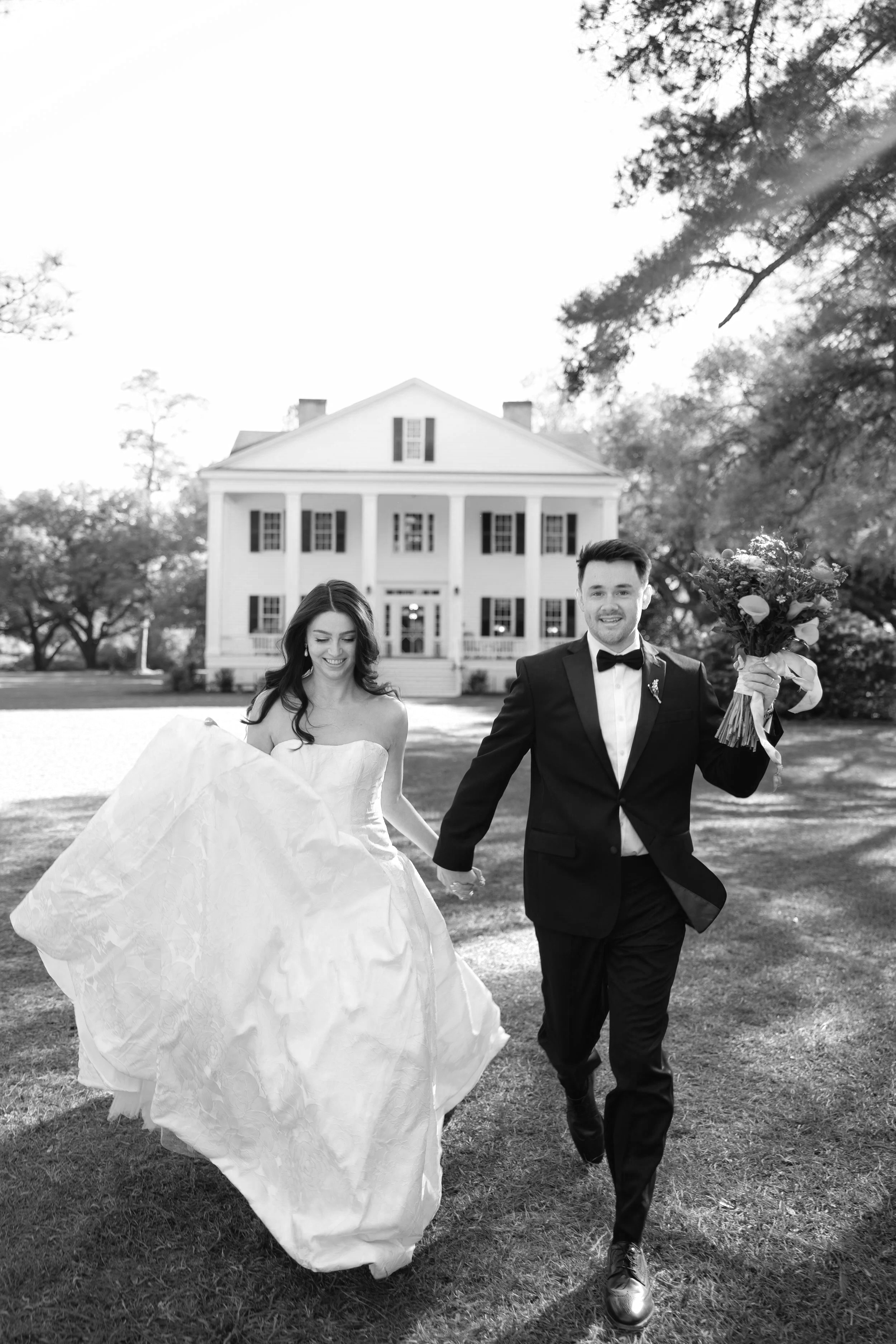
Photography: Emma-Grayce Photographs
Rip Raps at the Crossroads hosts:
The Main House: A 6,000 square foot Greek Revival masterpiece featuring a dedicated Bridal Salon and Groom’s Library.
Opening Soon: Luxury overnight stays in five large upstairs bedrooms.
Outdoor Ceremony Sites: Multiple venues to host your special celebration including:
The welcoming Front Lawn
The shaded Oak Groves
The expansive East Lawn (ideal for high-peak reception tents)
The West Lawn featuring the Butterfly Garden and Oak Swing
The majestic South Vista with field views